
Iași, located in the north-eastern part of Romania, is one of the country’s most vibrant and historically significant cities. Often called the Cultural Capital of Romania, it has long been a hub of education, culture, and innovation.
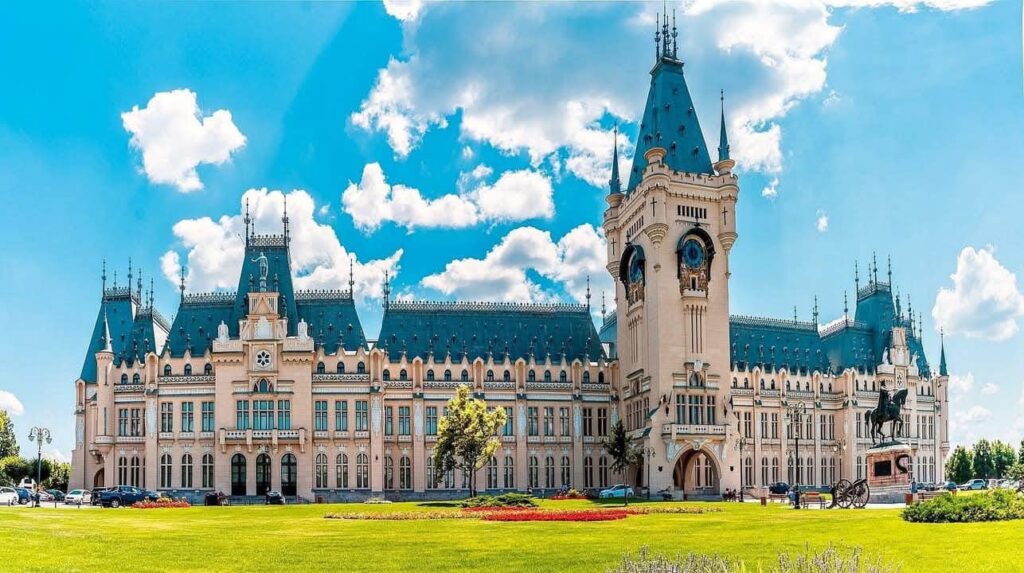
A true symbol of Iași, this grand neo-Gothic palace dates back to the early 20th century and was built between 1906 and 1925 on the site of the former Princely Court of Moldavia. Today, it houses multiple museums, including history, art, ethnography, and science collections. The striking exterior and ornate interior galleries make it one of the city’s cultural highlights, while its central location places it at the heart of Iași’s modern urban life. Over time, the Palace of Culture has evolved from an administrative seat into a major cultural and public landmark, closely connected to the surrounding Palas Gardens and pedestrian areas.
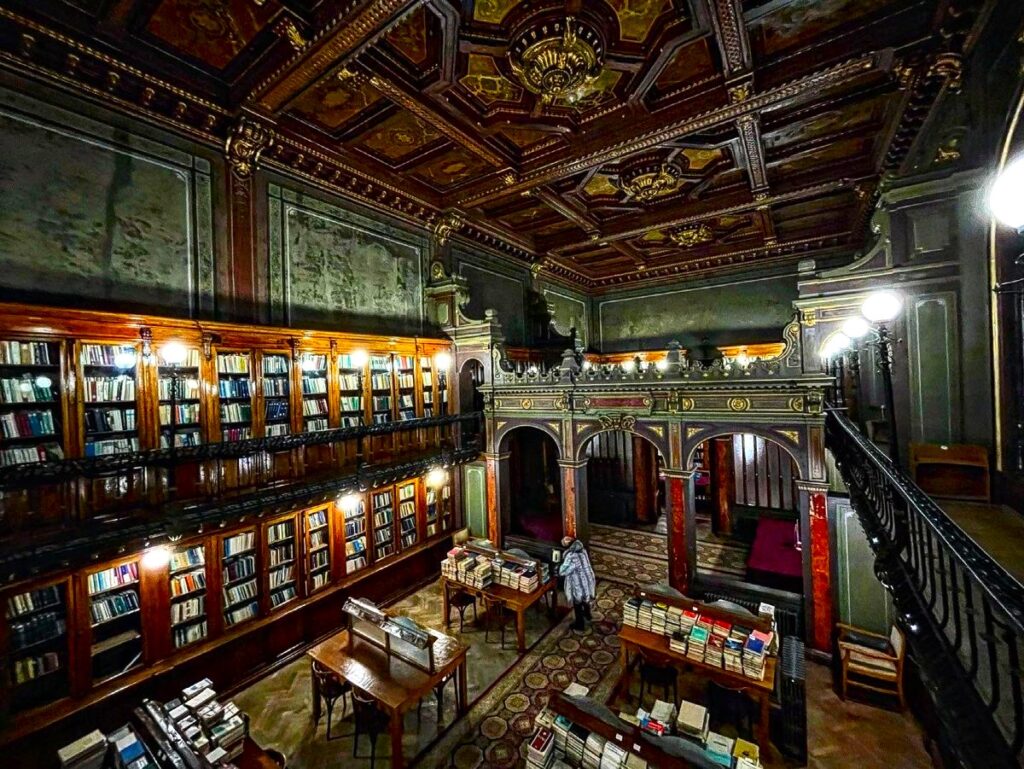
The Library of Gheorghe Asachi Technical University of Iași is a prominent academic landmark, combining classical architectural elements with a long-standing tradition of engineering education. Established in the context of one of Romania’s oldest technical universities, founded in the early 19th century, it has long served as a center of study and research for generations of engineers and scholars. Its elegant façades and refined interior spaces reflect the prestige and continuity of technical education in Iași, while its role within the university campus underscores the city’s strong academic and research-oriented identity.
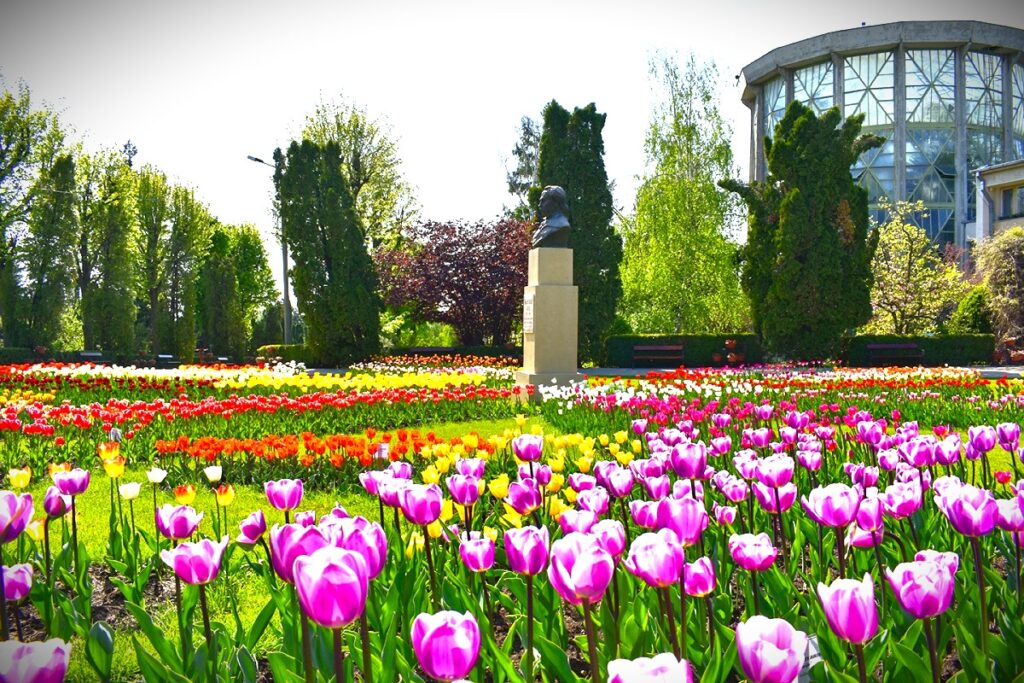
Established in 1856, this expansive botanical garden is one of Romania’s oldest and has played an important role in academic research and higher education since its foundation. It offers peaceful paths through themed plant collections, historic greenhouses, and seasonal flower displays, many of which support scientific study and university teaching. Closely linked to Iași’s academic community, the garden functions both as a research facility in the natural sciences and as a serene green space for visitors seeking a break from the urban environment.
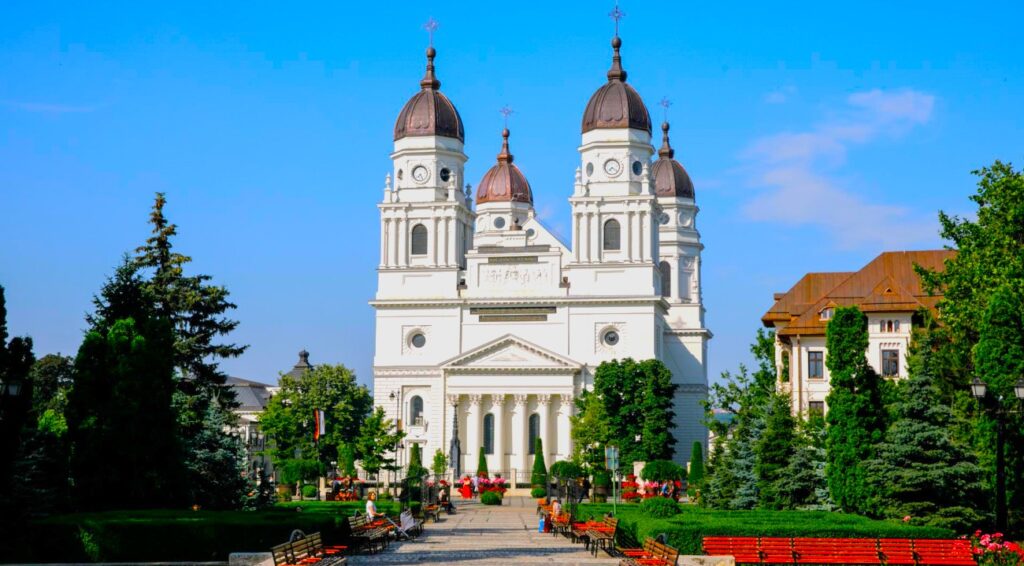
This magnificent cathedral is one of Romania’s most important Orthodox churches, known for its impressive size, grand architecture, and spiritual atmosphere. Pilgrims often visit to see the relics of Saint Parascheva, making it both a cultural and religious landmark.
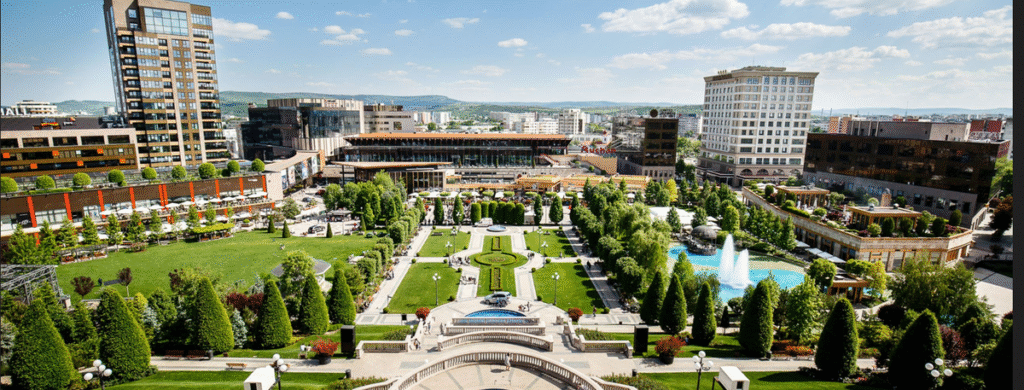
Located next to the Palace of Culture, Palas Gardens is a modern urban green space that integrates landscaped areas, fountains, pedestrian paths, and outdoor cafés within the city center. Designed as a contemporary public space, it encourages social interaction, informal meetings, and outdoor events, making it a central gathering point in Iași’s daily urban life. The adjacent Palas complex also offers a wide range of shops, restaurants, and services, providing convenient shopping and dining options in a setting that remains open, walkable, and well connected to the surrounding landmarks. Its proximity to major cultural and academic institutions further reinforces its role as a bridge between the city’s historical heritage and its modern, dynamic character.
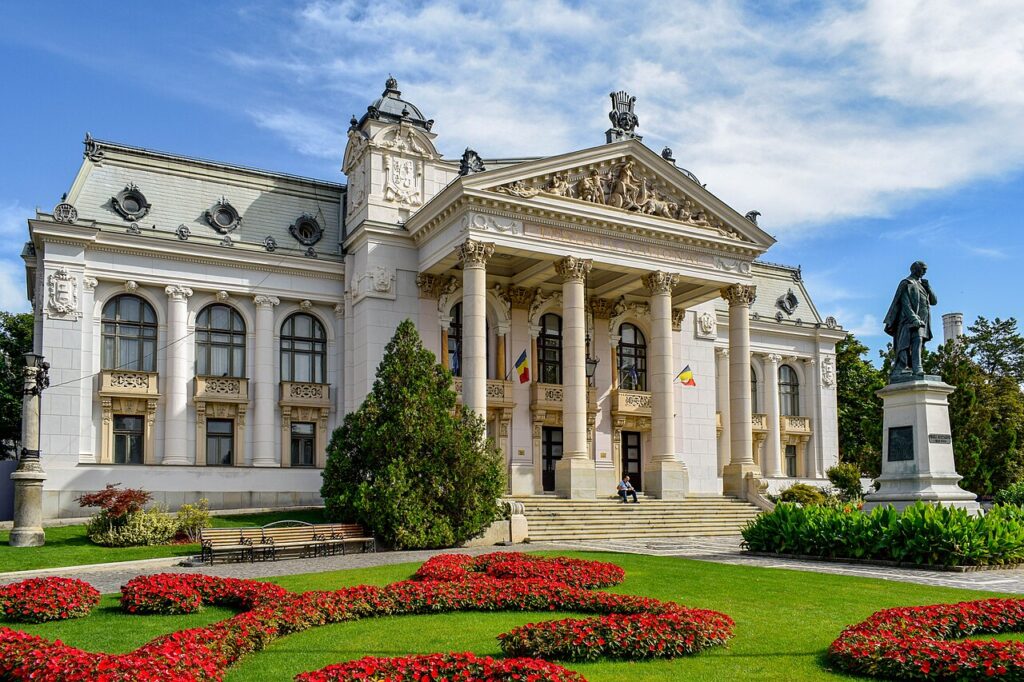
One of Romania’s oldest and most beautiful theaters, this landmark is widely admired for its refined architecture and long-standing role in the country’s performing arts scene. Since its opening at the end of the 19th century, it has hosted a wide range of theatrical productions, operas, and concerts, contributing significantly to Iași’s artistic and cultural life. Visitors are encouraged to check the performance schedule and, when possible, book tickets to experience a live production in this historic setting. A visit offers insight into the city’s performance traditions while highlighting the continuity of artistic excellence that defines Iași’s cultural identity.
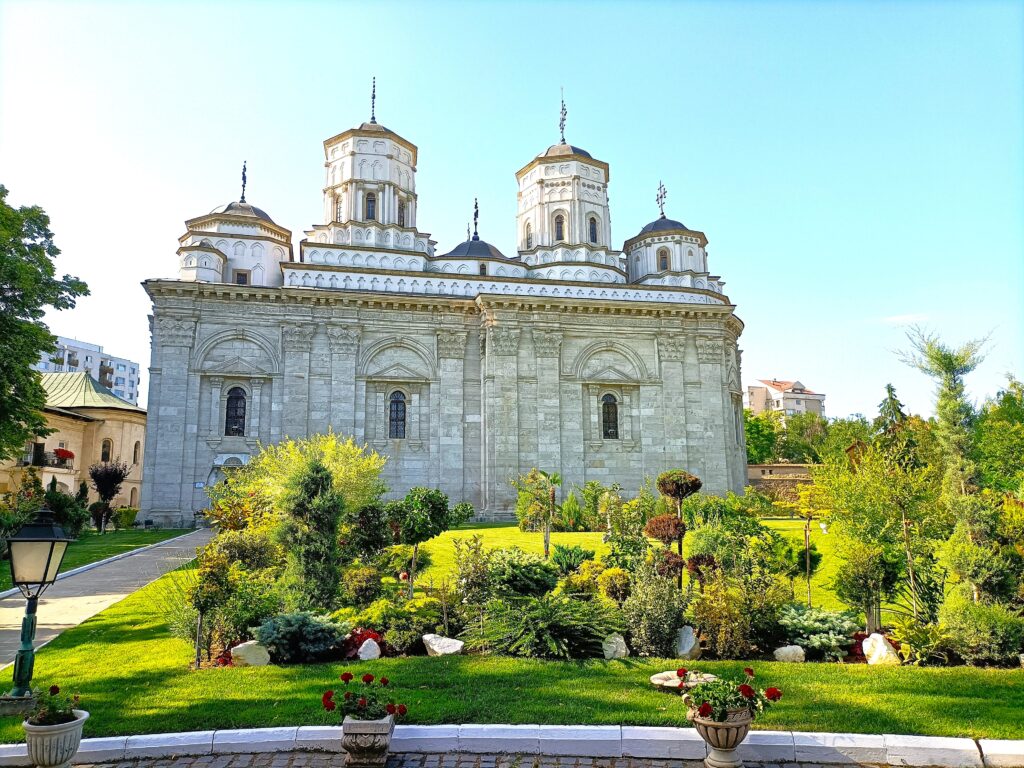
This Renaissance-era monastery, surrounded by fortified walls and crowned by a tall bell tower, stands as a testament to Iași’s medieval past. Originally founded in the 16th century and later rebuilt in its current form, it reflects the historical and strategic importance of the city during the Moldavian period. Inside, visitors can explore traditional religious architecture and historical exhibits, while those interested may also consider climbing the bell tower to enjoy panoramic views over the city and its surroundings.